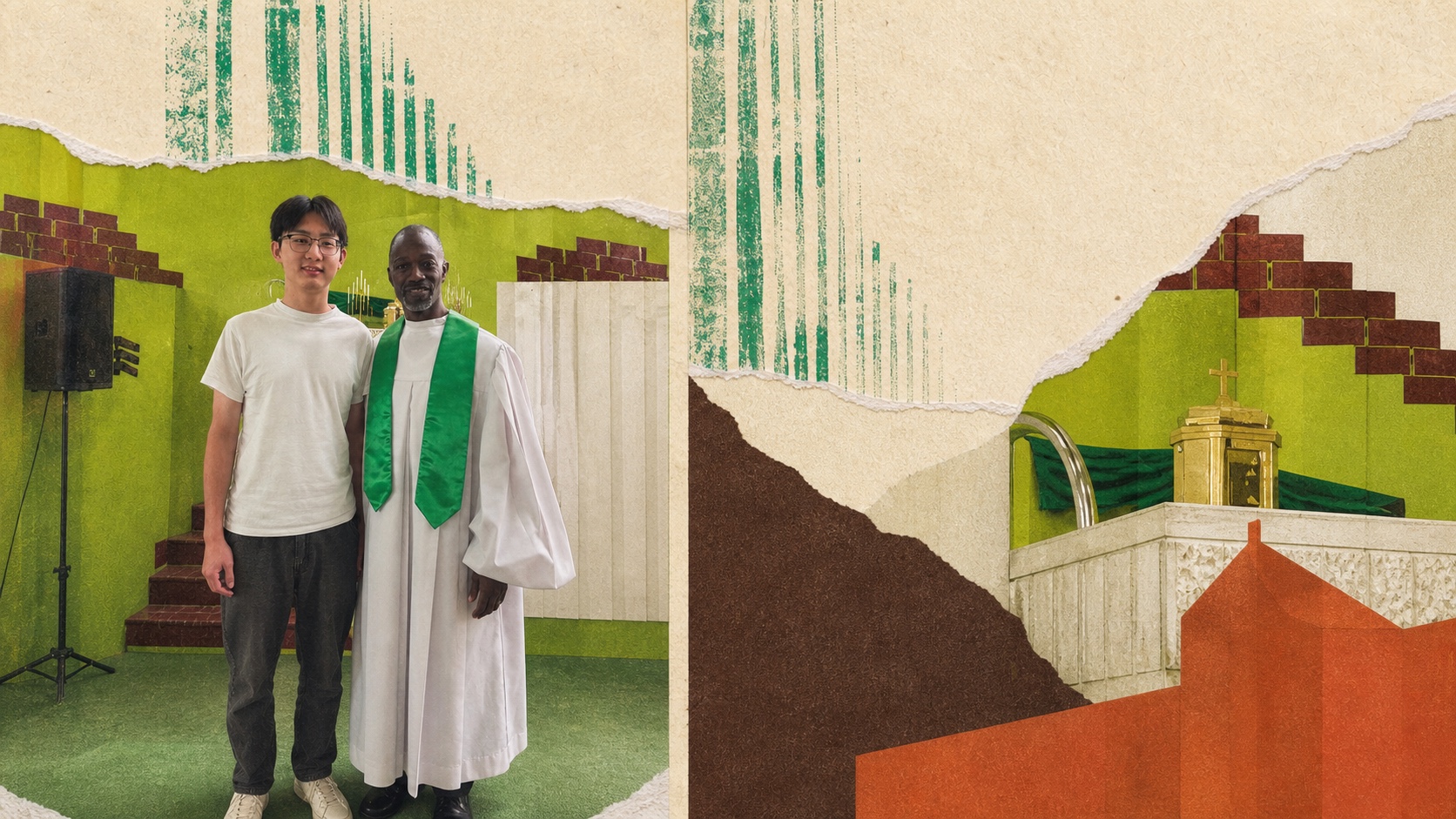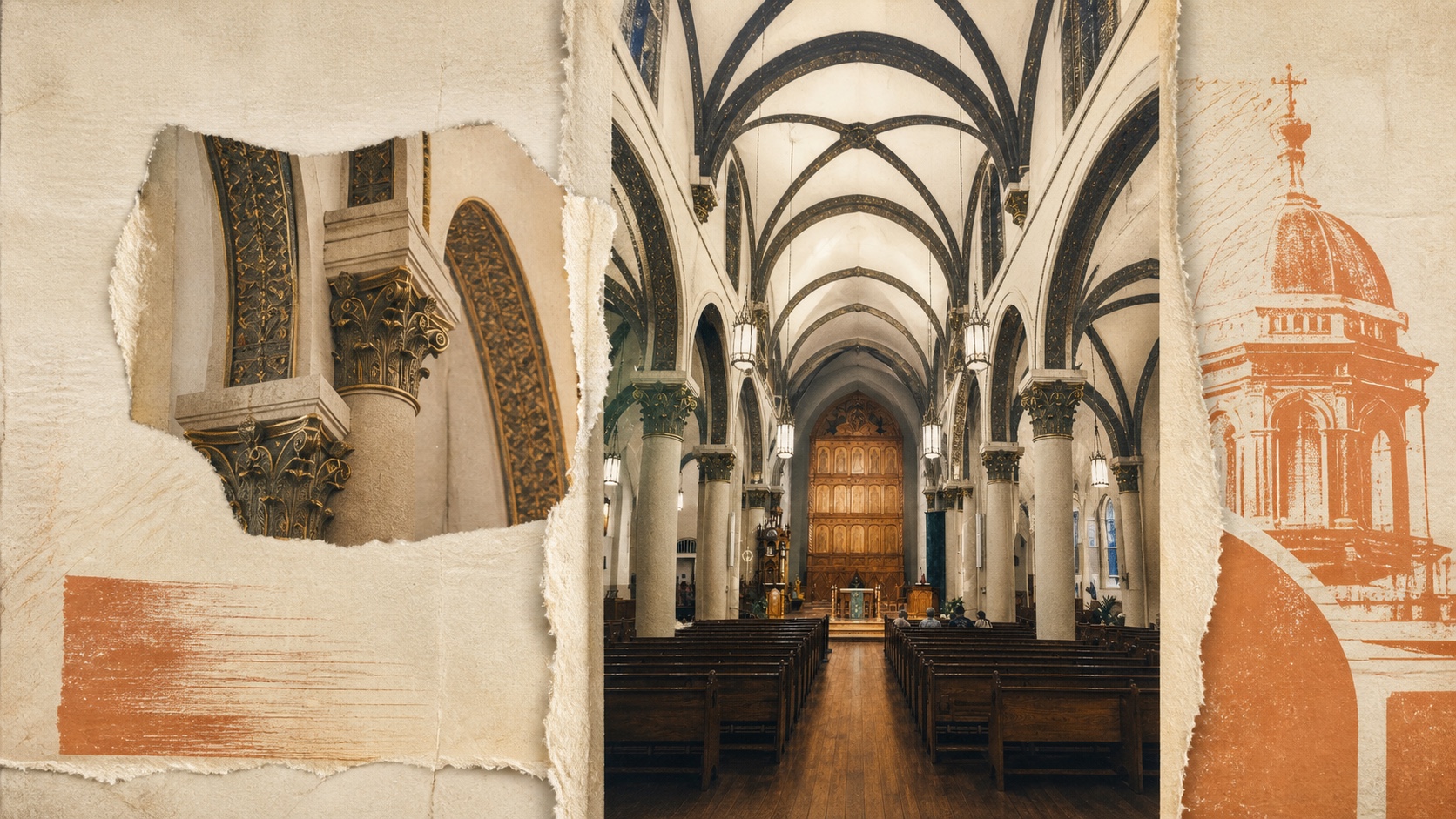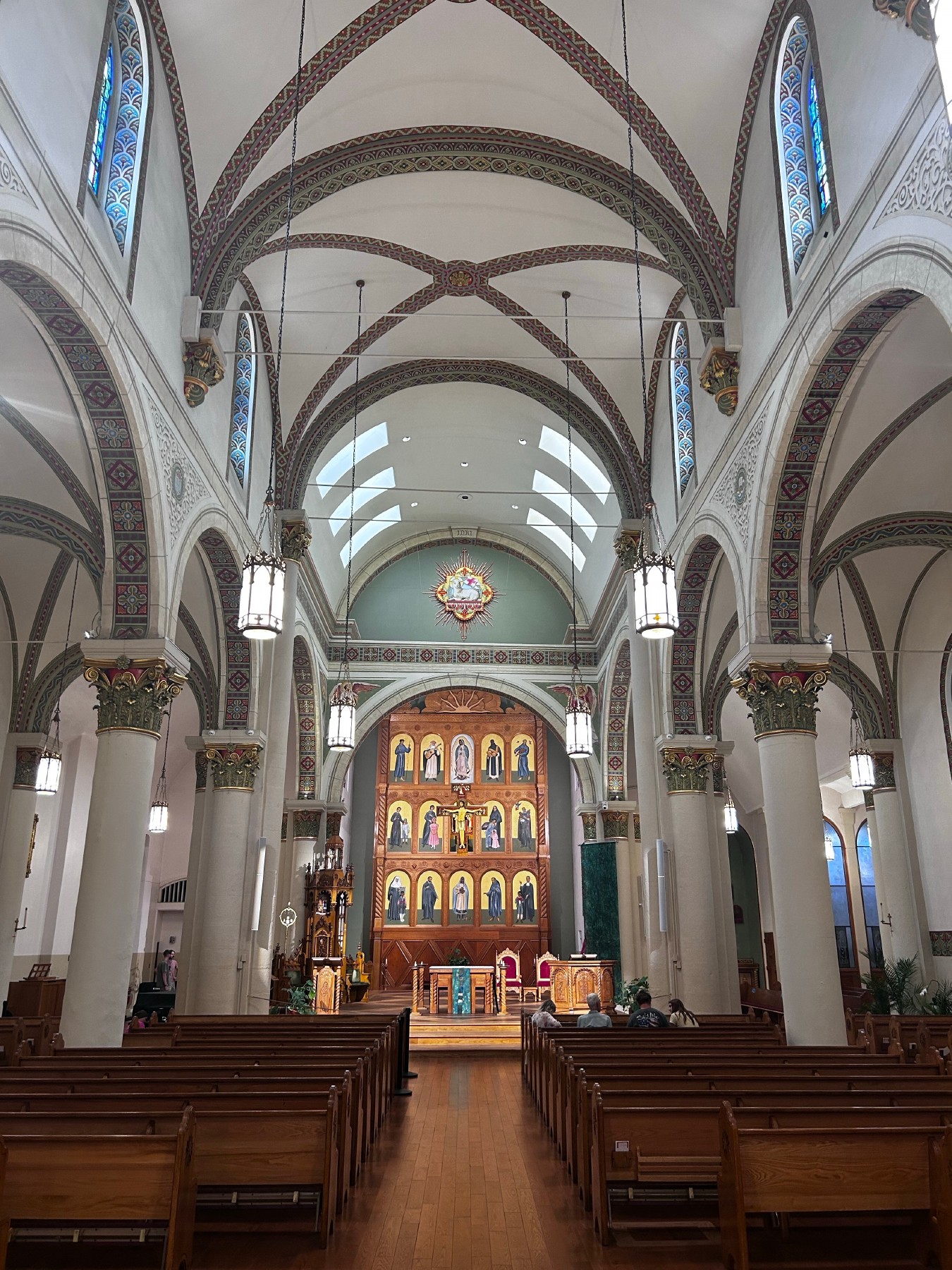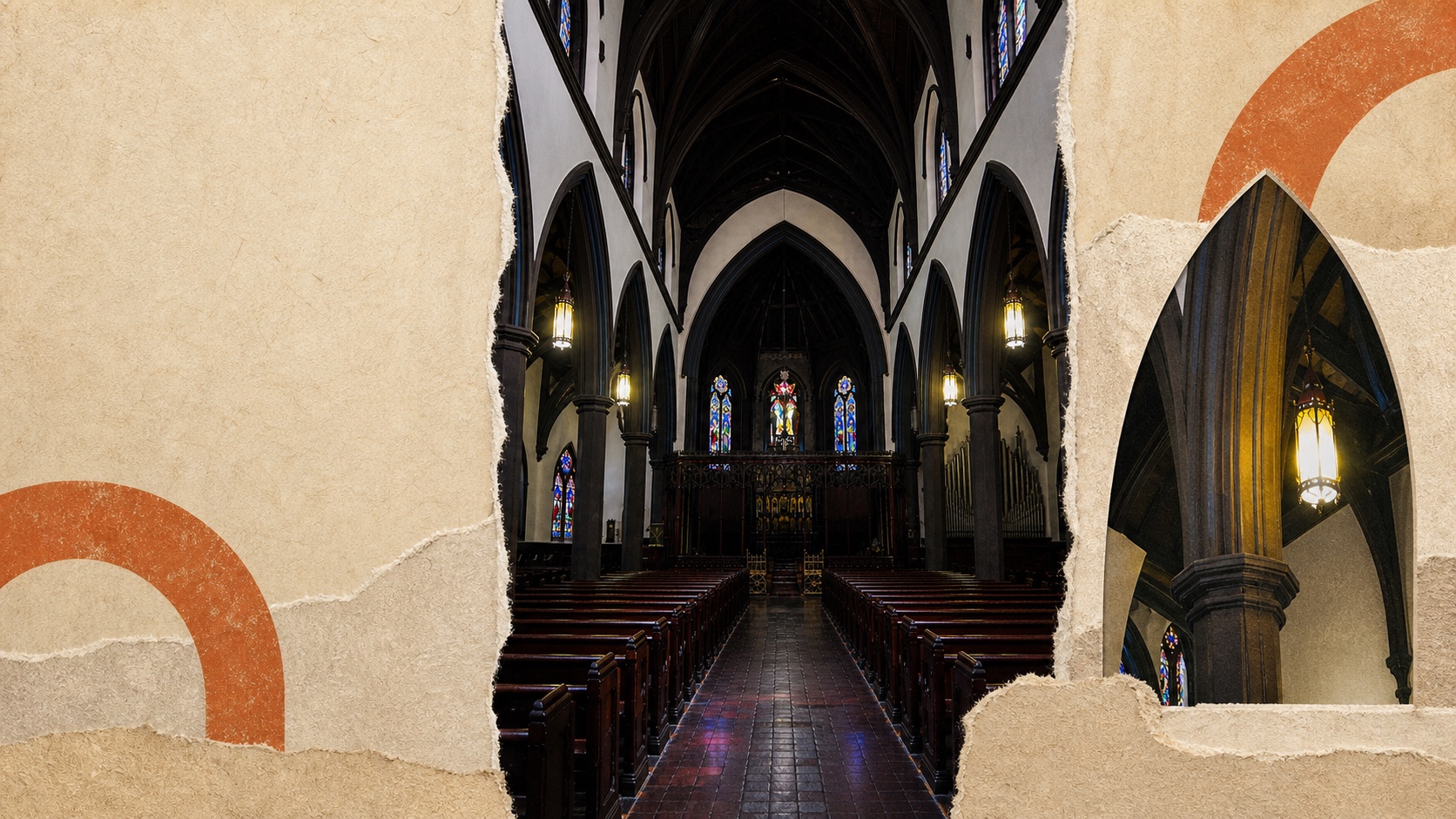
A church nave set within a warm paper and terracotta collage

What the Song Does

Field interviews on gospel and religious life in Harlem and Chicago

Harlem and Chicago

In these interviews, gospel carries family memory. People feel it in their bodies and reach for it during hard times. They also argue about which voices still belong in the tradition.

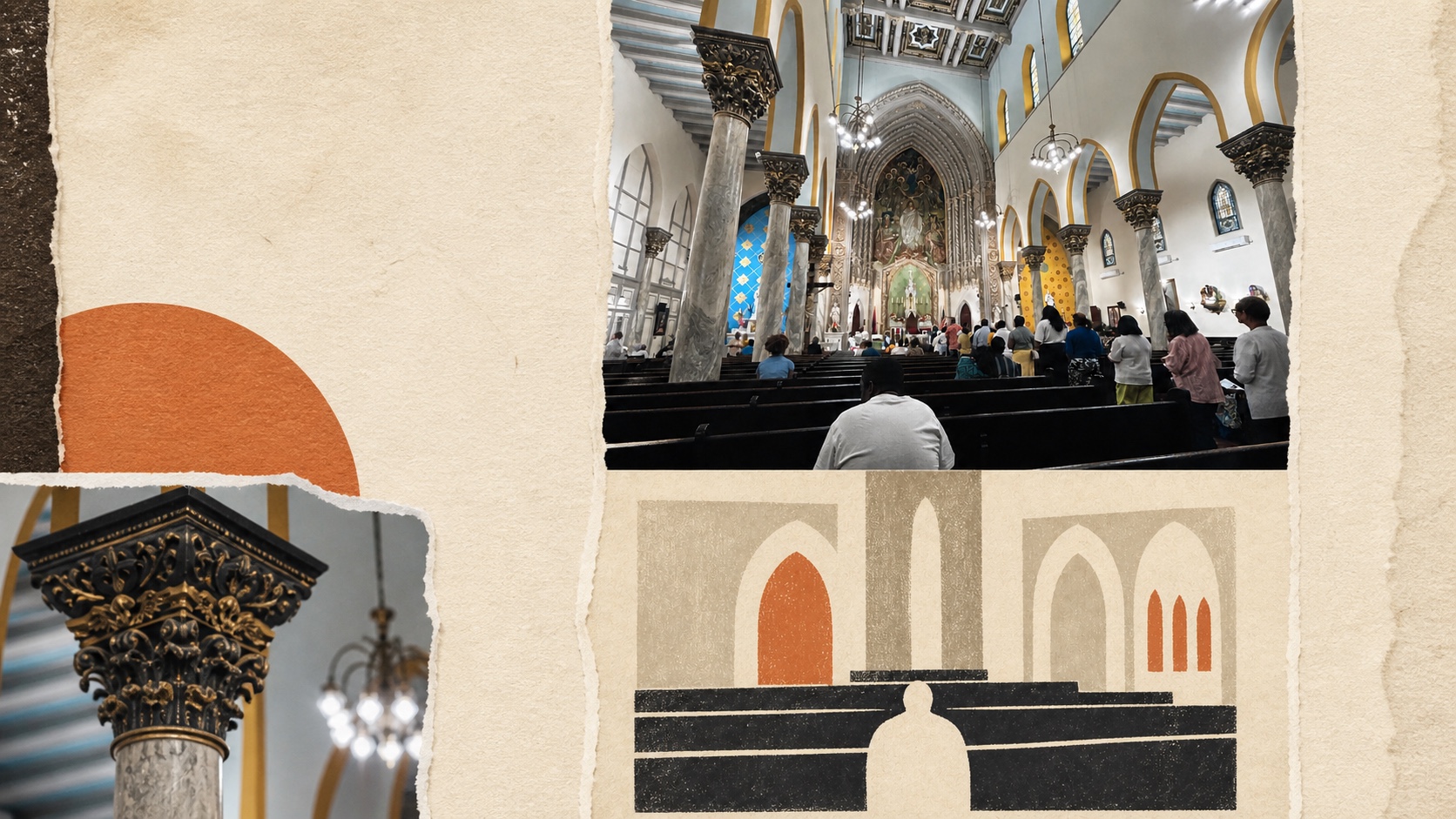
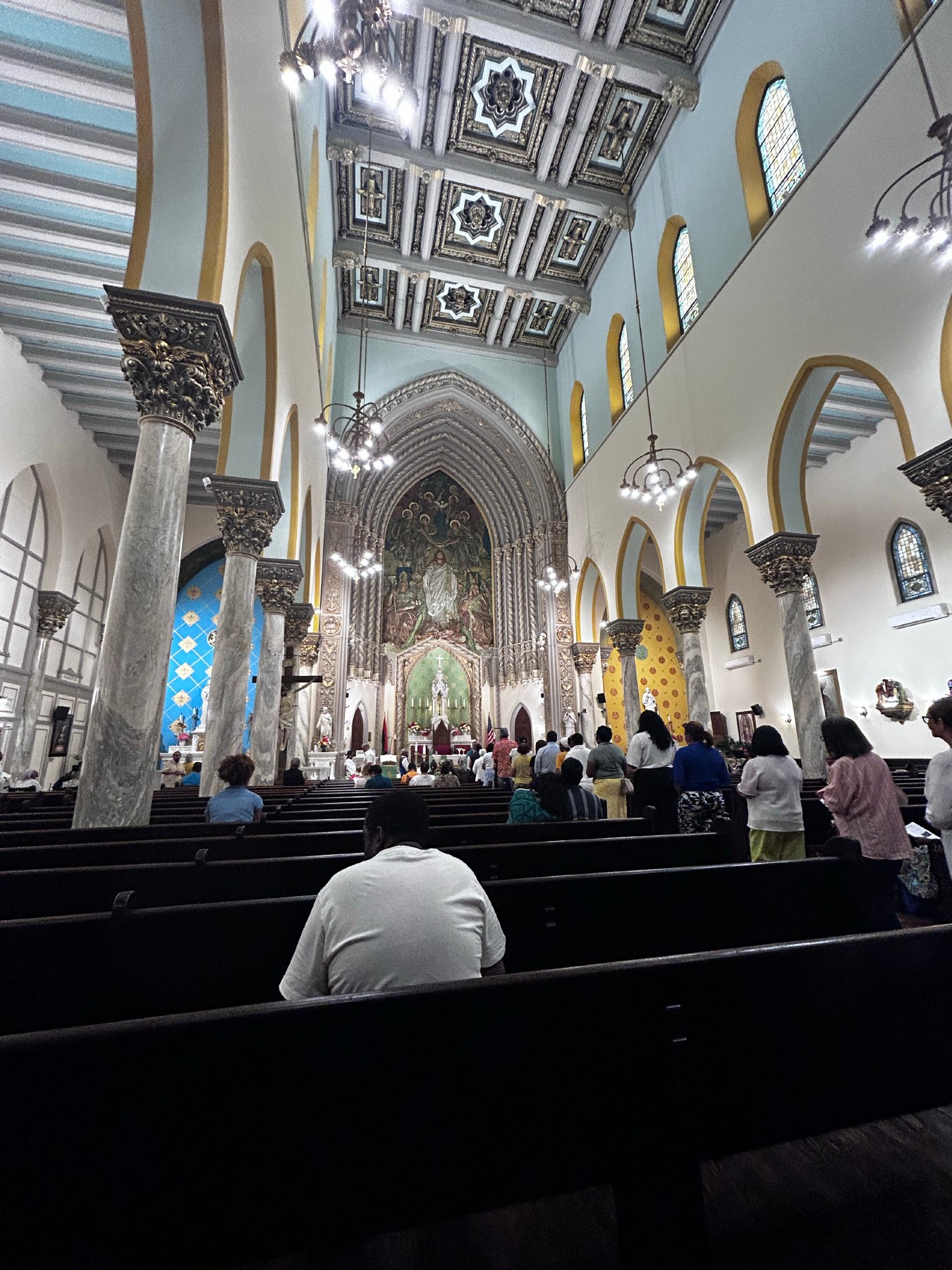
A congregation standing in a church, reworked as a paper collage
Congregants standing during worship
Field photograph 01

01

The same side of the church

One St. Philip's congregant still sits where her family sat in the 1920s. She tried the other side once. It felt wrong, so she moved back. The choice has nothing to do with acoustics. Her place in the pew keeps a family habit alive. At Mother Zion, the past enters through the minister's account of the church and through the work people continue there. Memory is already present when the service begins. My family has been coming here since the 1920s, and that is where they always sat.
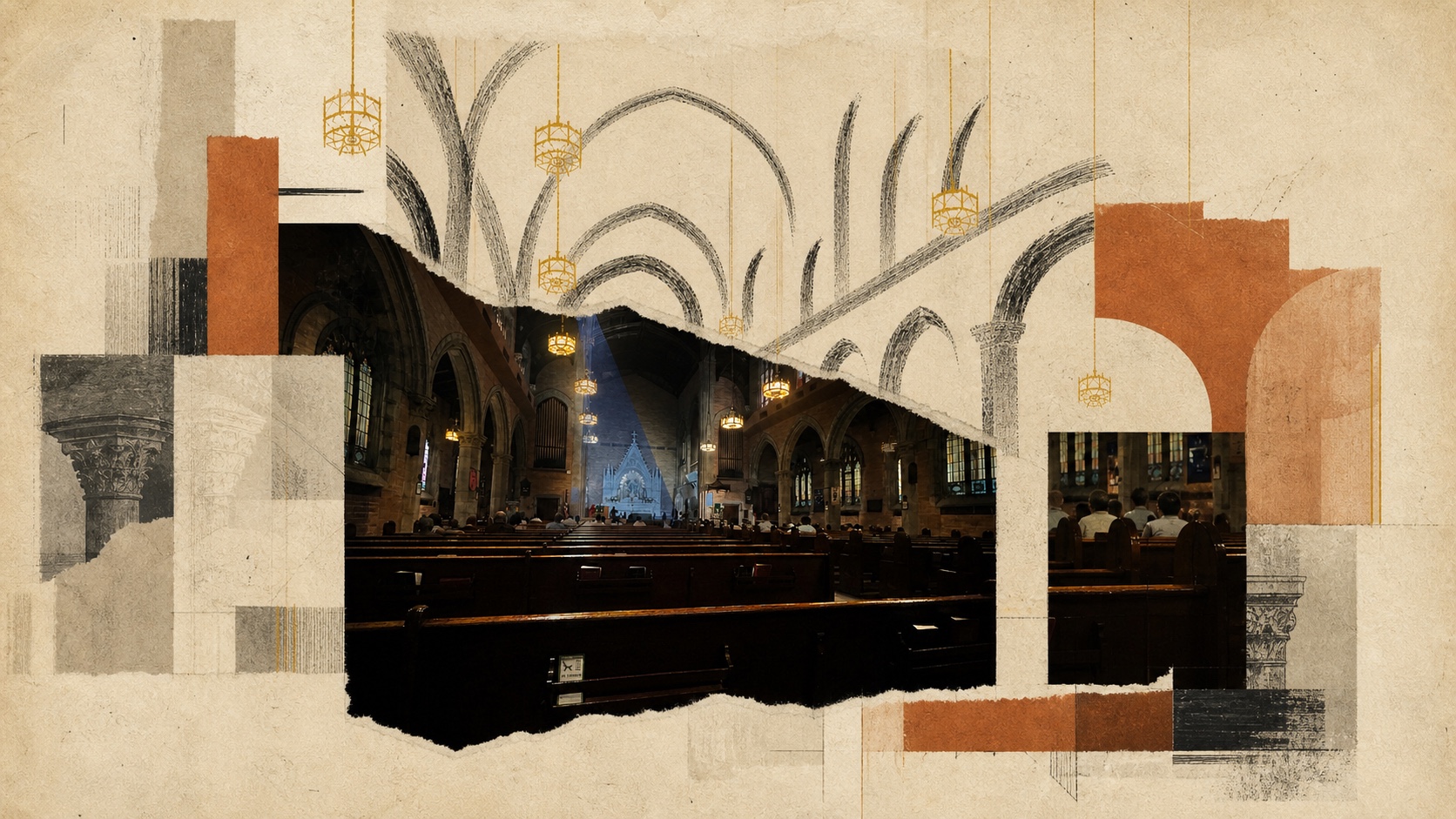
A church assembly in a warm paper and terracotta collage
A congregation gathered inside a church
Field photograph 02

02

When worship moves

A longtime member of St. Philip's described gospel through physical feeling. The music reaches the body, the soul, and what she called the inner self. Other congregants remembered learning to sit still as children. Choir members could not clap or dance then. Today, movement feels more welcome in the same church, though people still disagree about which sounds belong in worship. Gospel music moves your body, your soul, and your inner self, even if you aren't spiritual.

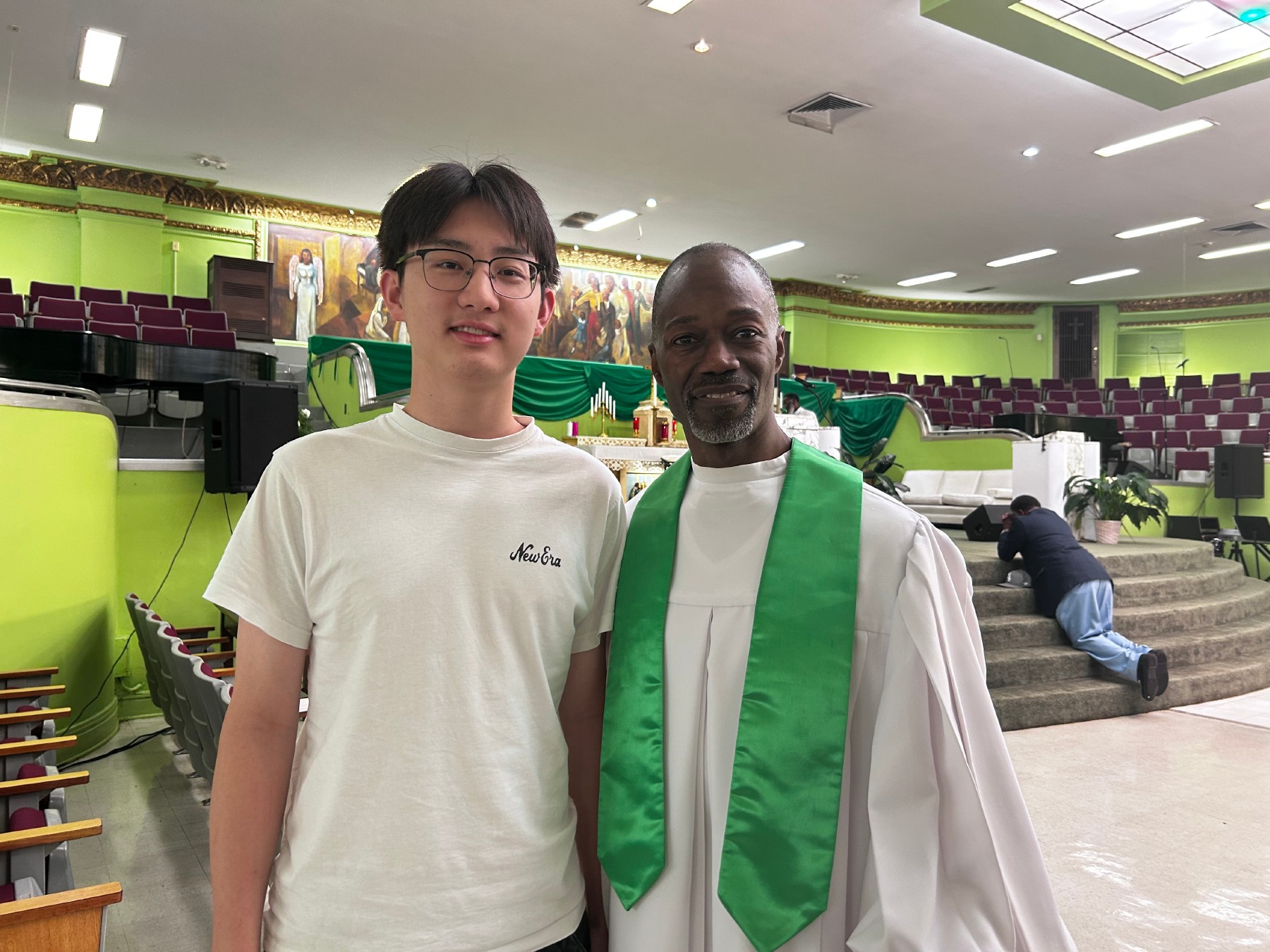
A student and pastor in a green and kraft paper collage
A student standing with a pastor in a green sanctuary
Field photograph 03

03

Music in hard times

Rev. Dr. Demetrius Lawrence turns to prayer and meditation first. Gospel music follows and helps settle his spirit. Maria Rodriguez spoke about feeling God's presence and finding strength during illness in her family. At St. Philip's, congregants described telling one another about a problem and receiving an immediate promise of prayer. Music joins that exchange. It gives people words they can carry home. I go to God first, and then I use gospel music to keep my spirit at ease.

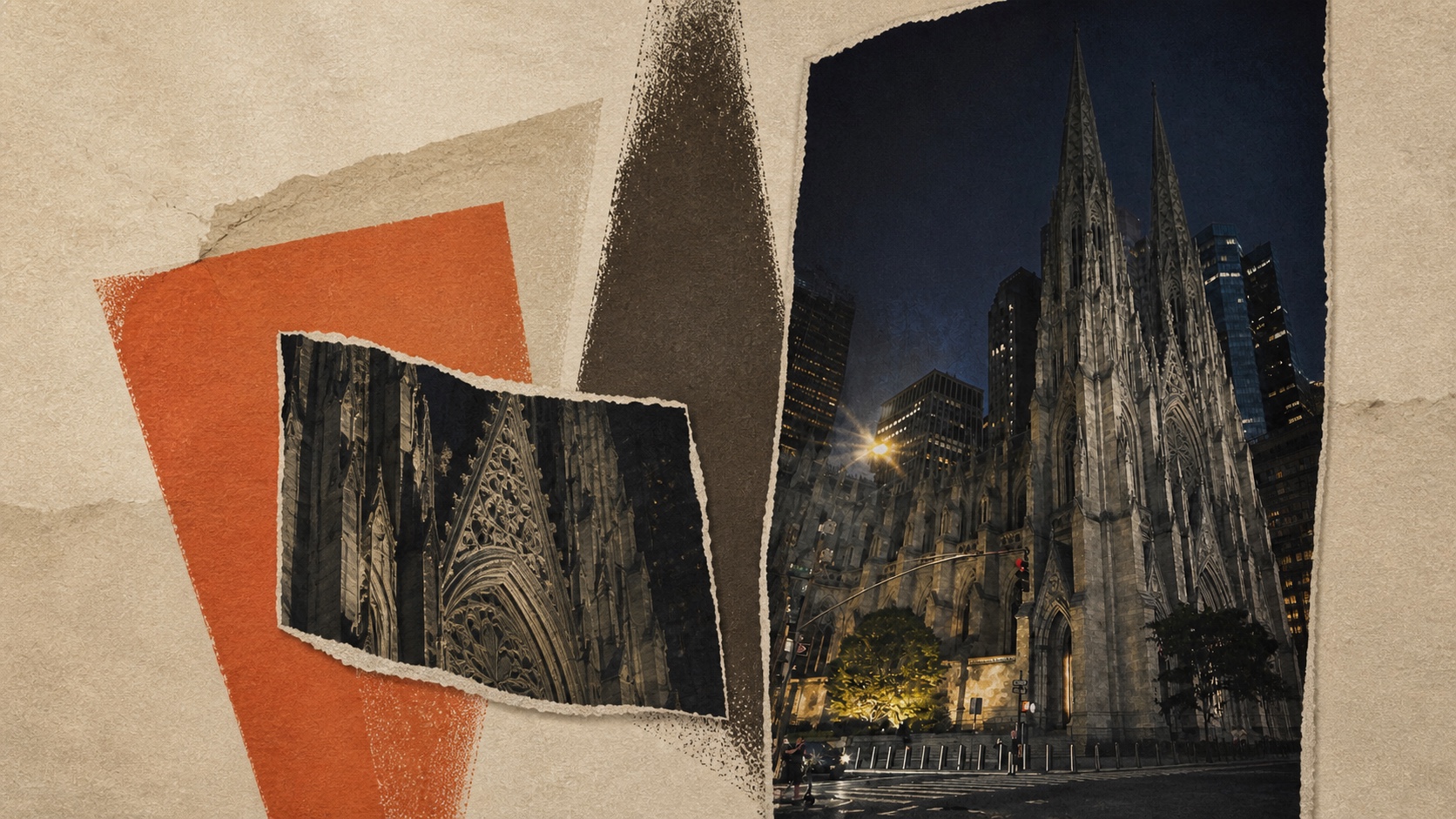
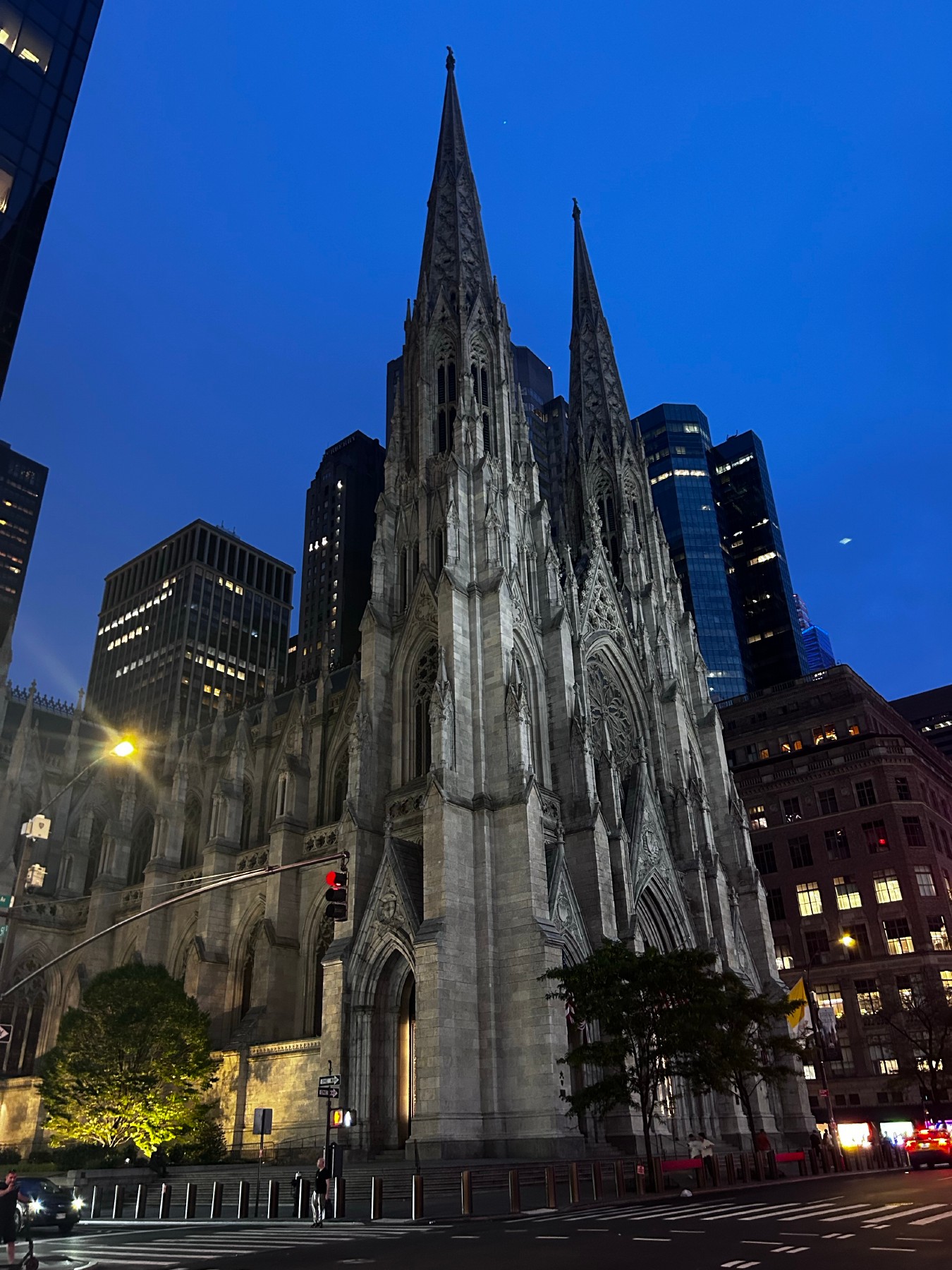
Twin church spires arranged as a minimal paper zine
Twin church spires seen at night
Field photograph 04

04

Who calls it gospel

Interviewees placed the boundary of gospel in different places. Several St. Philip's congregants welcomed Kirk Franklin and rejected Kanye West. Robert M. Marovich listened differently. He questioned West's place in the tradition while recognizing the choir and its songs as gospel. For one listener, the performer's conduct matters. Another listens for training, lyrics, or a connection to church practice. The archive keeps both judgments. I would say the music and the choir is true gospel.

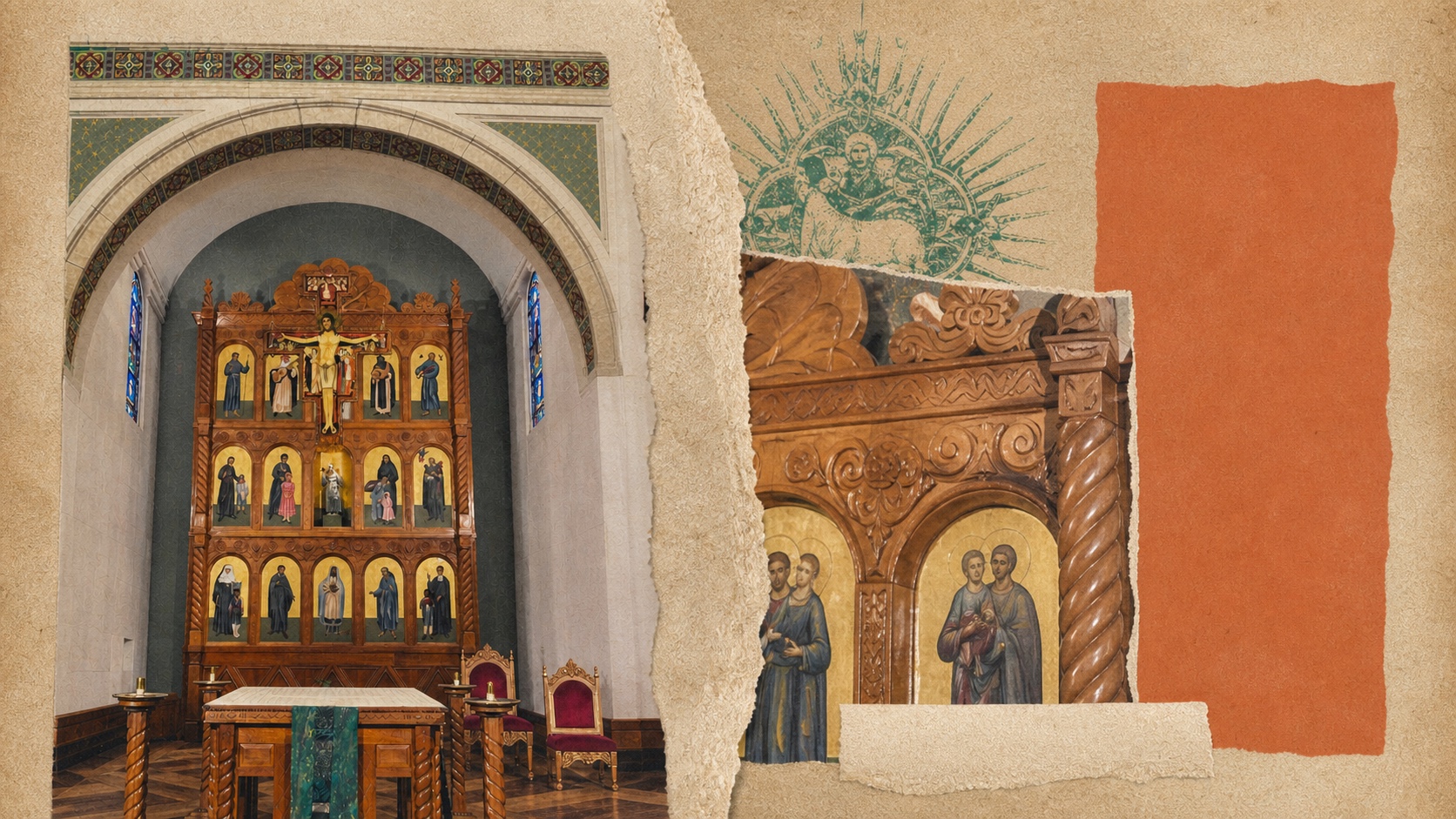
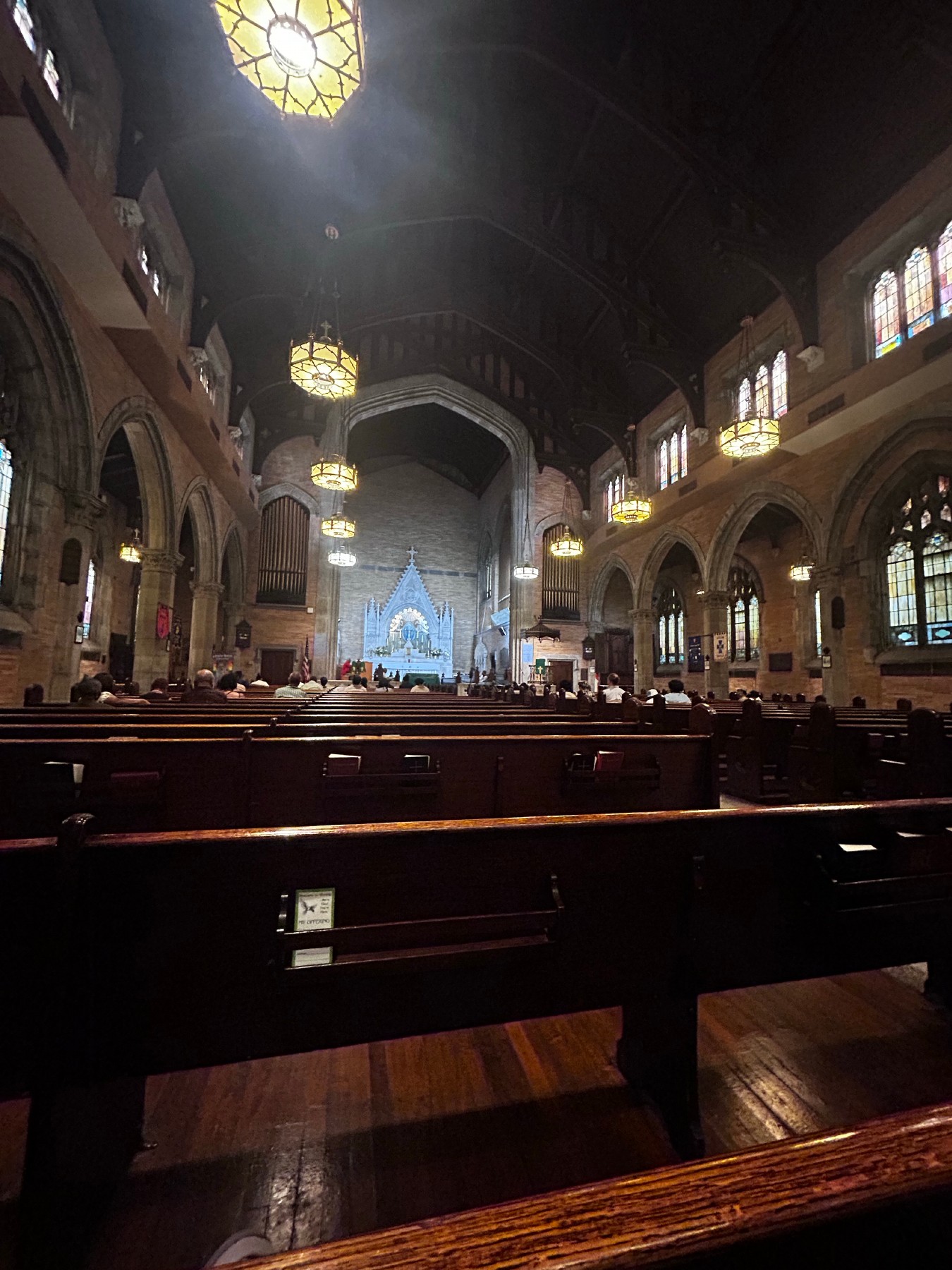
An ornate sanctuary reworked with warm paper and terracotta forms
An ornate sanctuary and altar
Field photograph 05

05

Stars in their own churches

Marovich follows gospel history past the commercial record market. He looks for acetates, private church recordings, and names that older listeners still remember. Devella Norton Tuck, Cora Winters, Edna Mae Quarles, Vernon Oliver Price, and Loretta Oliver were known inside Chicago's gospel community. Their records, when records existed, rarely traveled as far as their reputations. Sales figures miss that kind of fame. They are stars in their own churches.

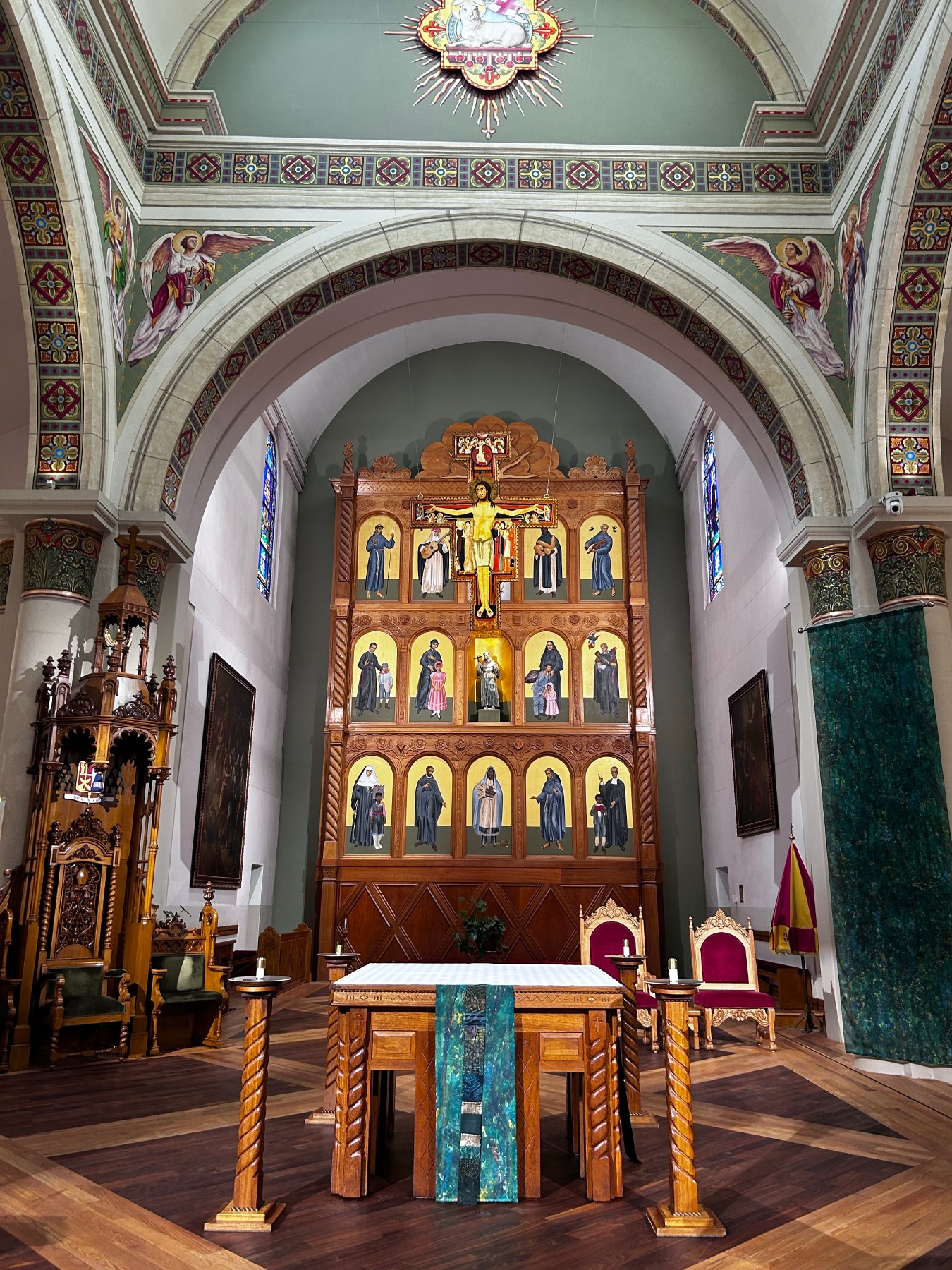
An altar screen arranged as a minimal kraft paper zine
A carved altar screen
Field photograph 06

06

What stays with you

After the interviews end, their questions travel. A sound may hold a family memory. A familiar song may return during a hard week. Someone known by an entire congregation can disappear from the published history. Think of the music and people your own community remembers. Which of them would survive in an archive?